Developing Problem Solvers
Encouraging students to become more observant, analytical, and solution-oriented.

ECICEdunotech Community Innovation Challenge
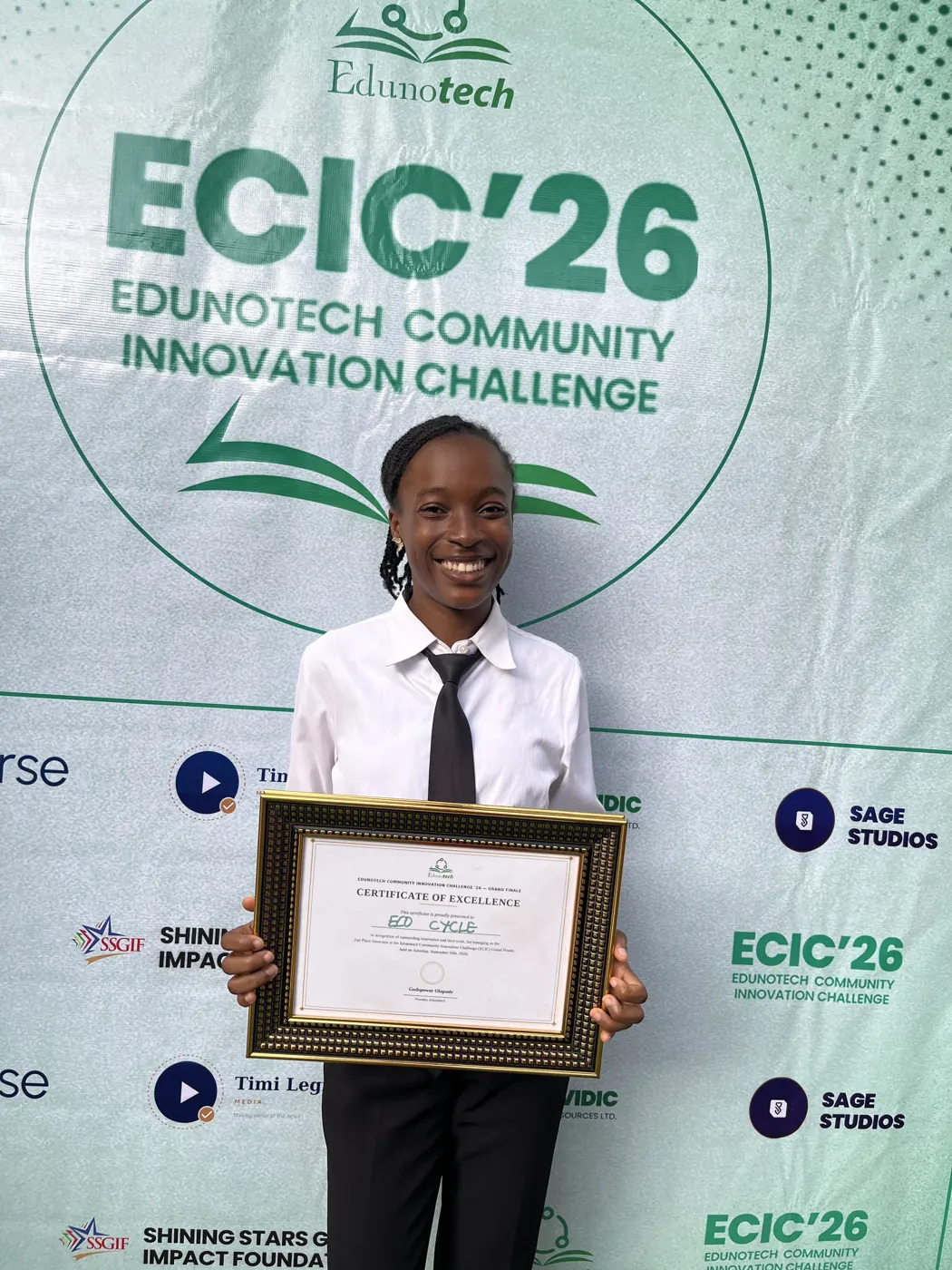
The Edunotech Community Innovation Challenge (ECIC) is a student-focused innovation initiative that encourages university students to identify real challenges within their communities, develop practical solutions, and present their ideas.
A community initiative powered by Edunotech
About ECIC
ECIC is not simply about building technology. It is about developing people who can think, create, and contribute meaningfully.
The Edunotech Community Innovation Challenge is a community-focused initiative powered by Edunotech.
It is built on the belief that young people should not be viewed only as future contributors to society. They can also begin developing solutions to real challenges within their communities today.
Through ECIC, students are encouraged to observe their environments, identify problems, think critically, explore possible solutions, and communicate their ideas.
The challenge provides a platform for students to move beyond discussing problems and begin taking responsibility for understanding and addressing them.
Why ECIC matters
Encouraging students to become more observant, analytical, and solution-oriented.
Helping participants move from identifying challenges to developing practical and relevant solutions.
Creating opportunities for students to communicate their ideas, collaborate, and take initiative.
Promoting the idea that meaningful solutions can emerge from a deeper understanding of local challenges.
How the challenge works
Students are introduced to problem-solving, innovation, and the importance of understanding real challenges.
They explore their environments and identify problems that may be worth addressing.
Students develop their ideas and communicate their proposed solutions.
Submitted ideas are reviewed through the challenge's selection process, with promising teams or participants progressing to the next stage.
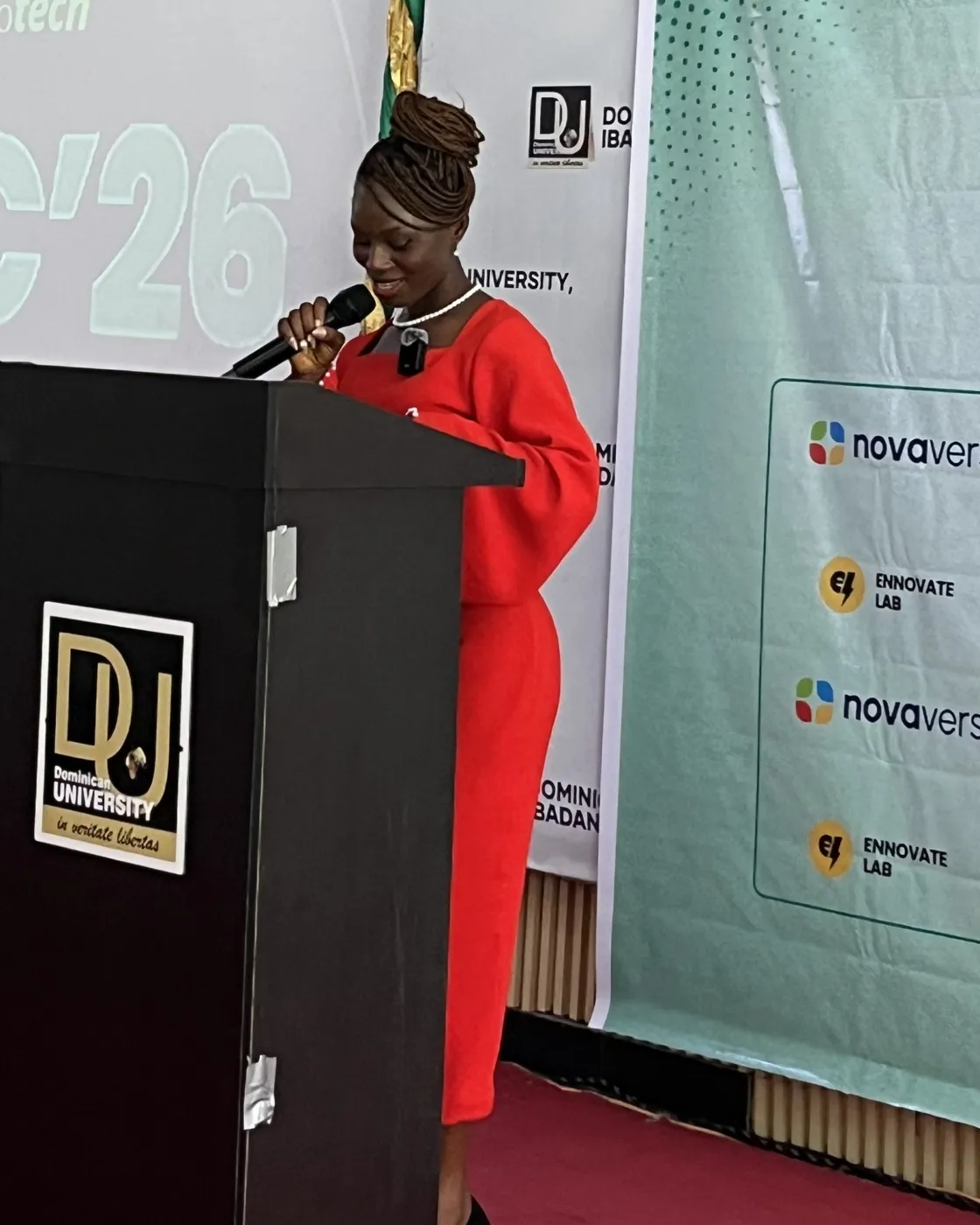
Selected innovators present their solutions before an audience and an evaluation panel.
The finale provides an opportunity to showcase ideas, recognise promising innovators, and encourage continued development.
The precise format, eligibility requirements, selection criteria, and award details are confirmed for each edition.
ECIC 2026
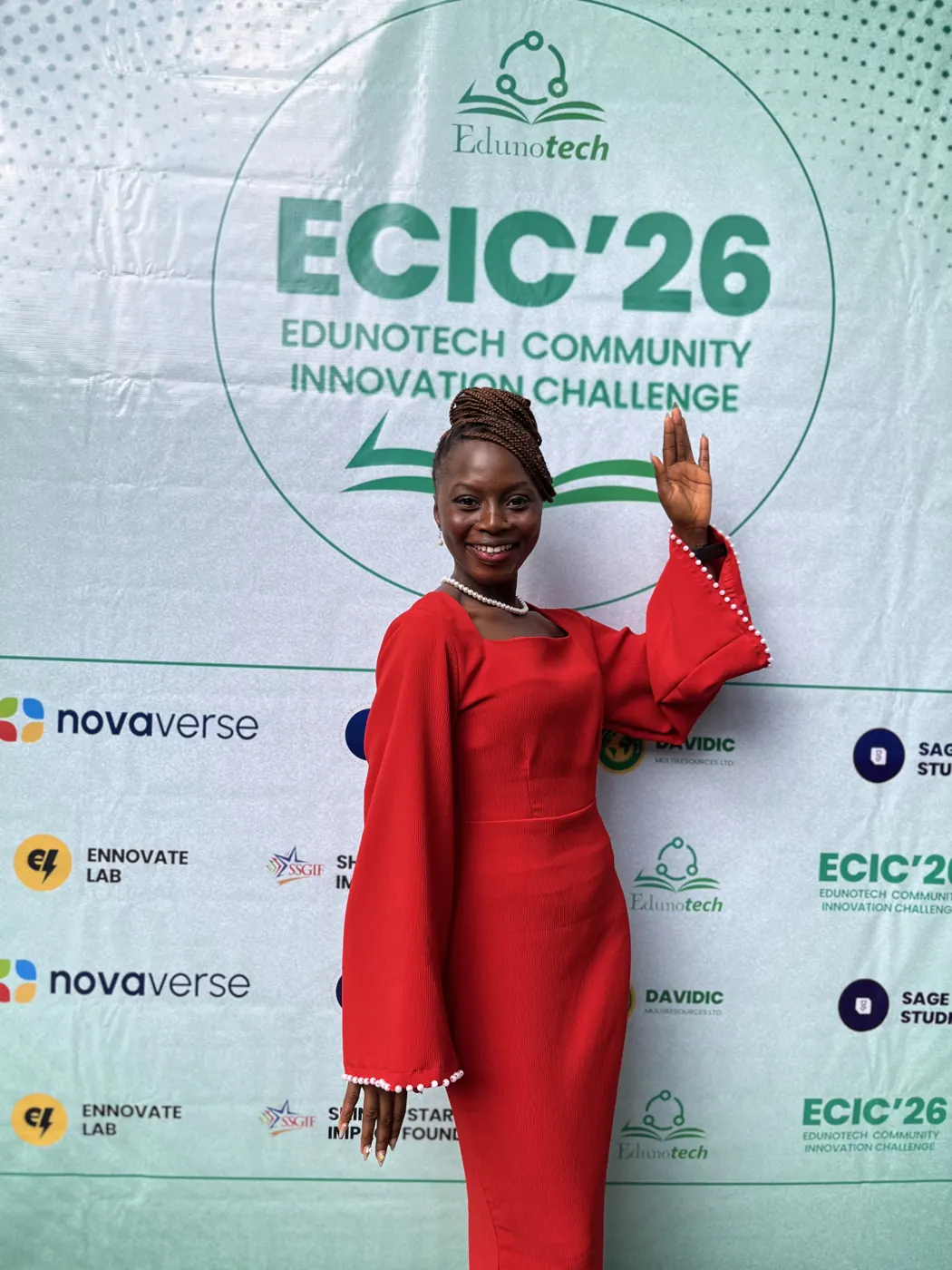
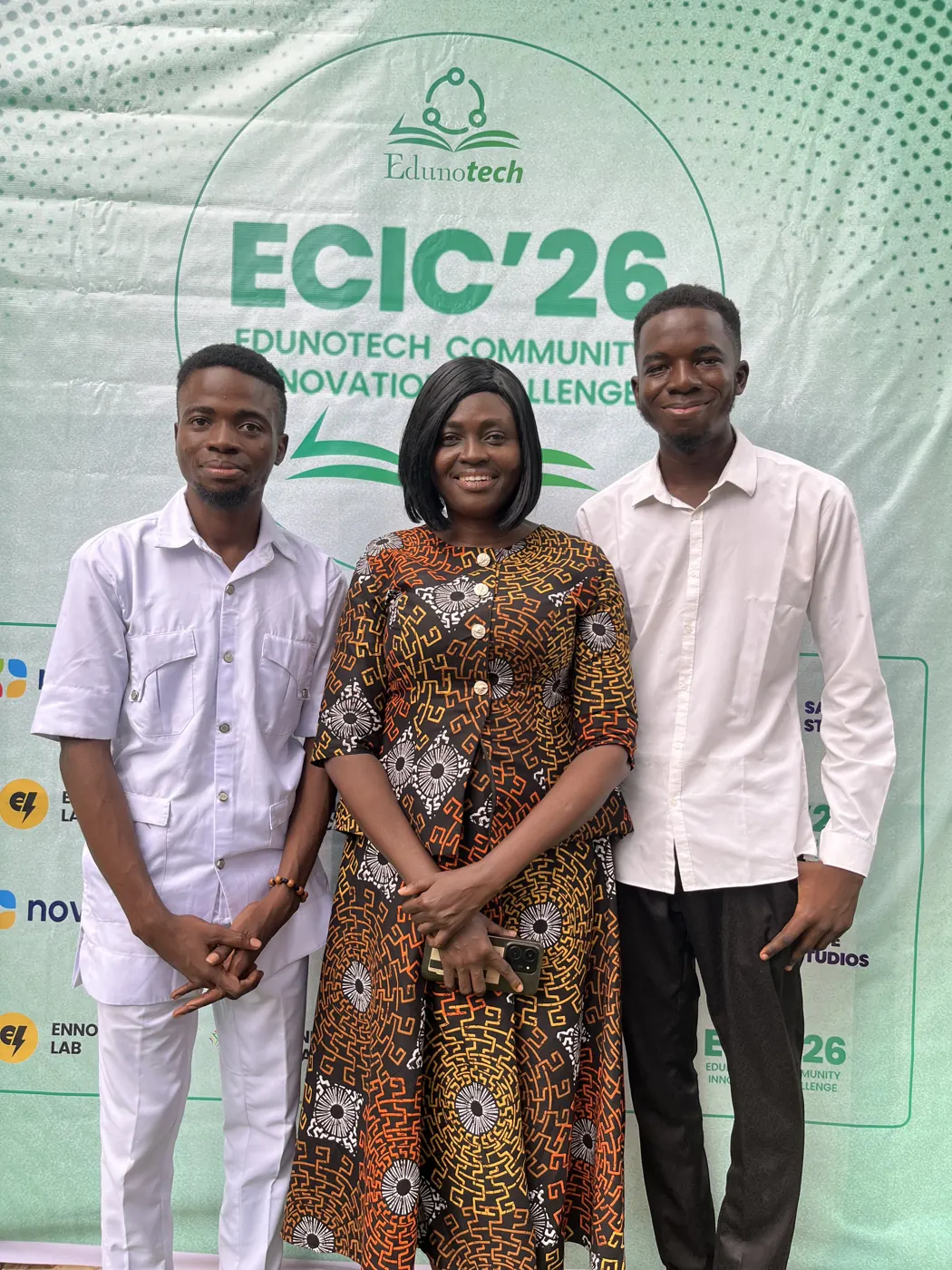
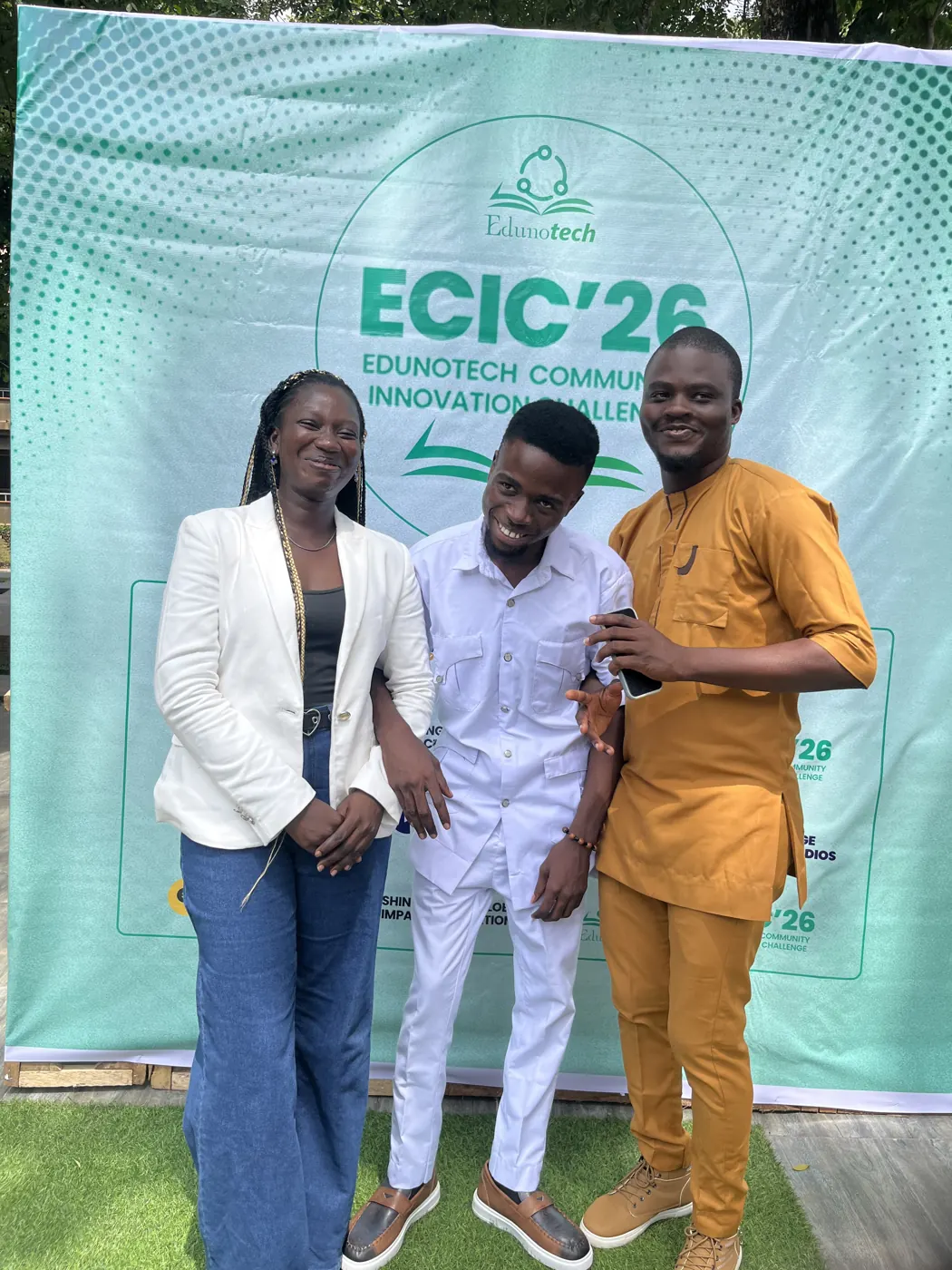
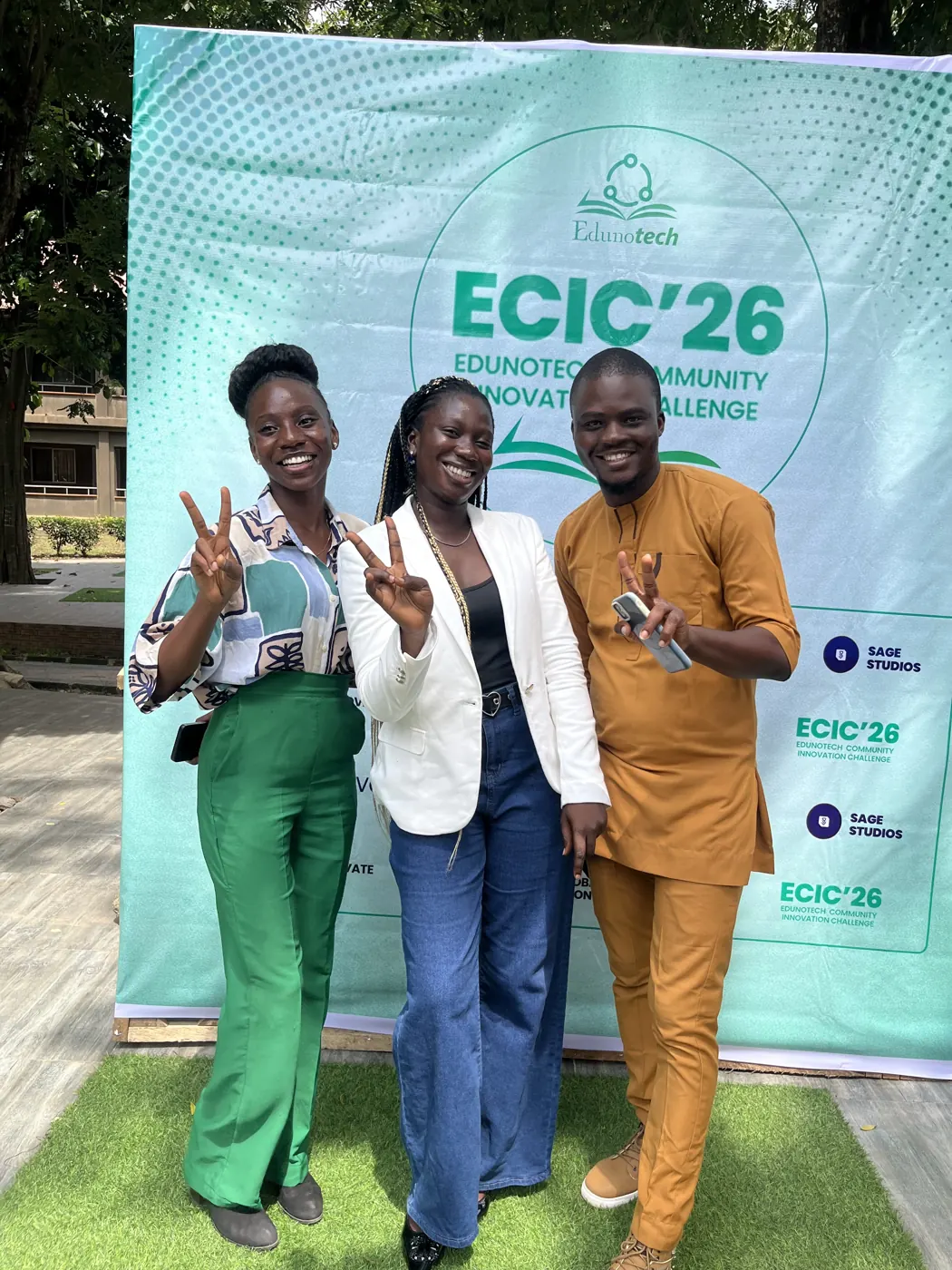
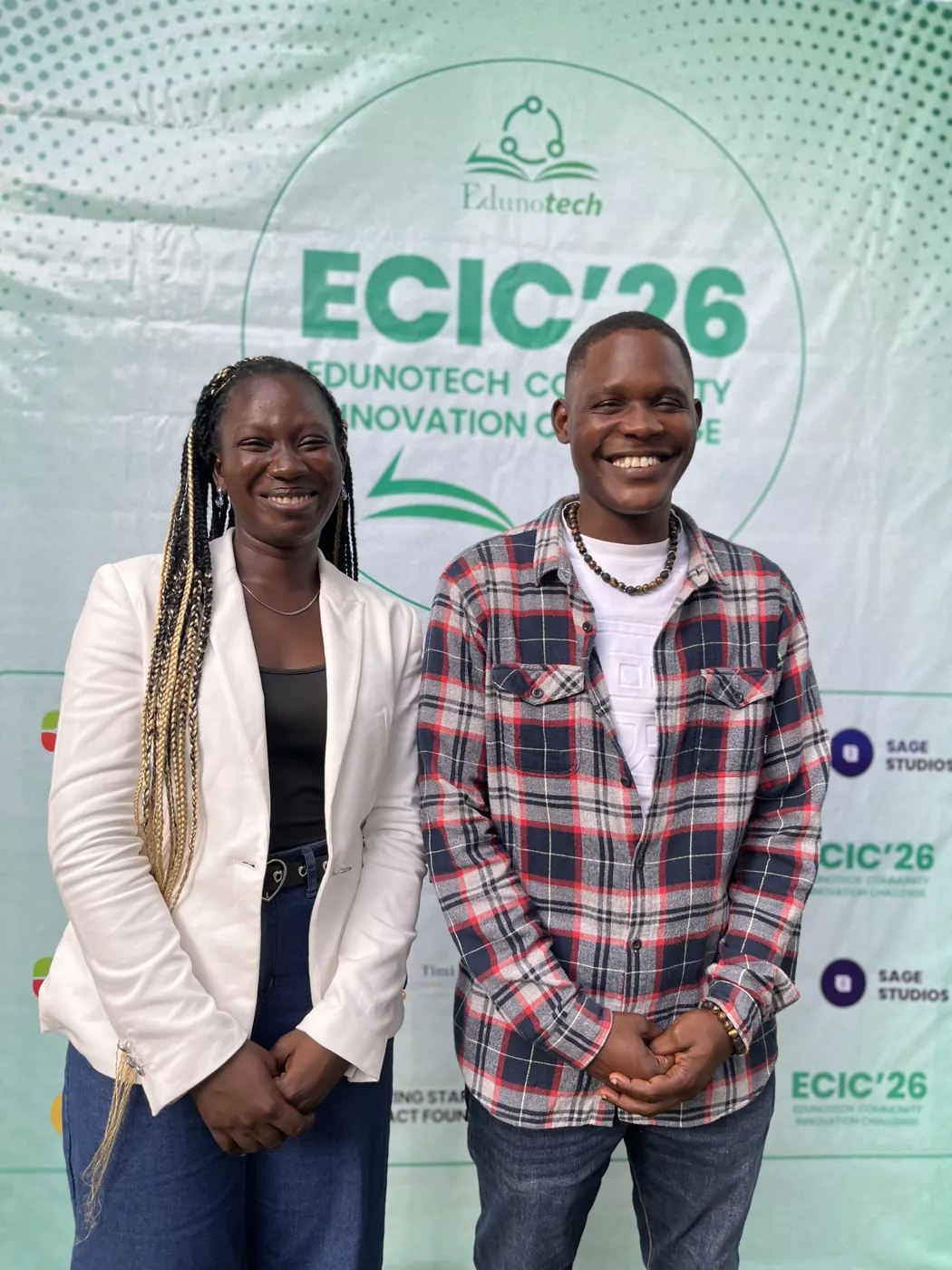
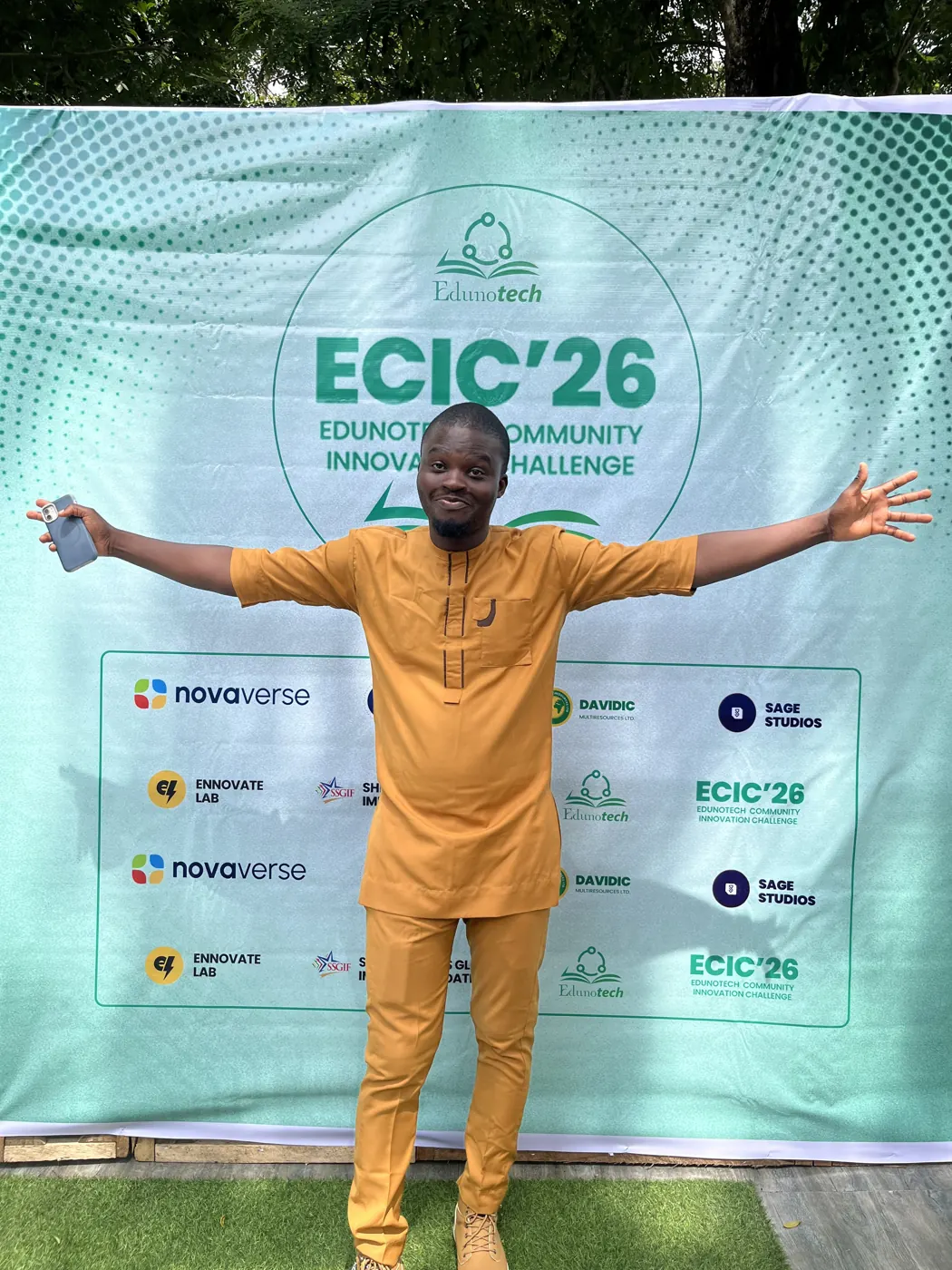
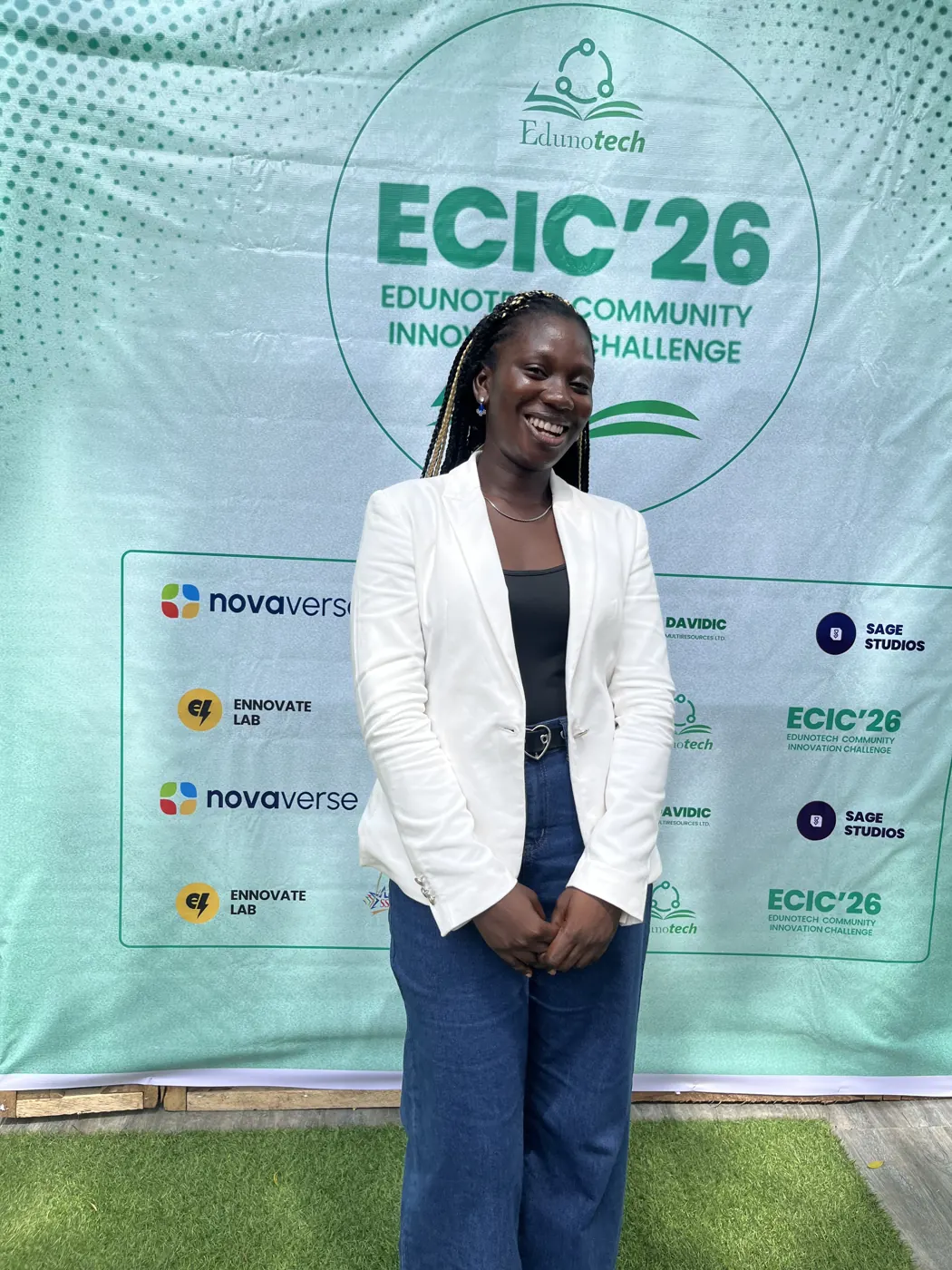
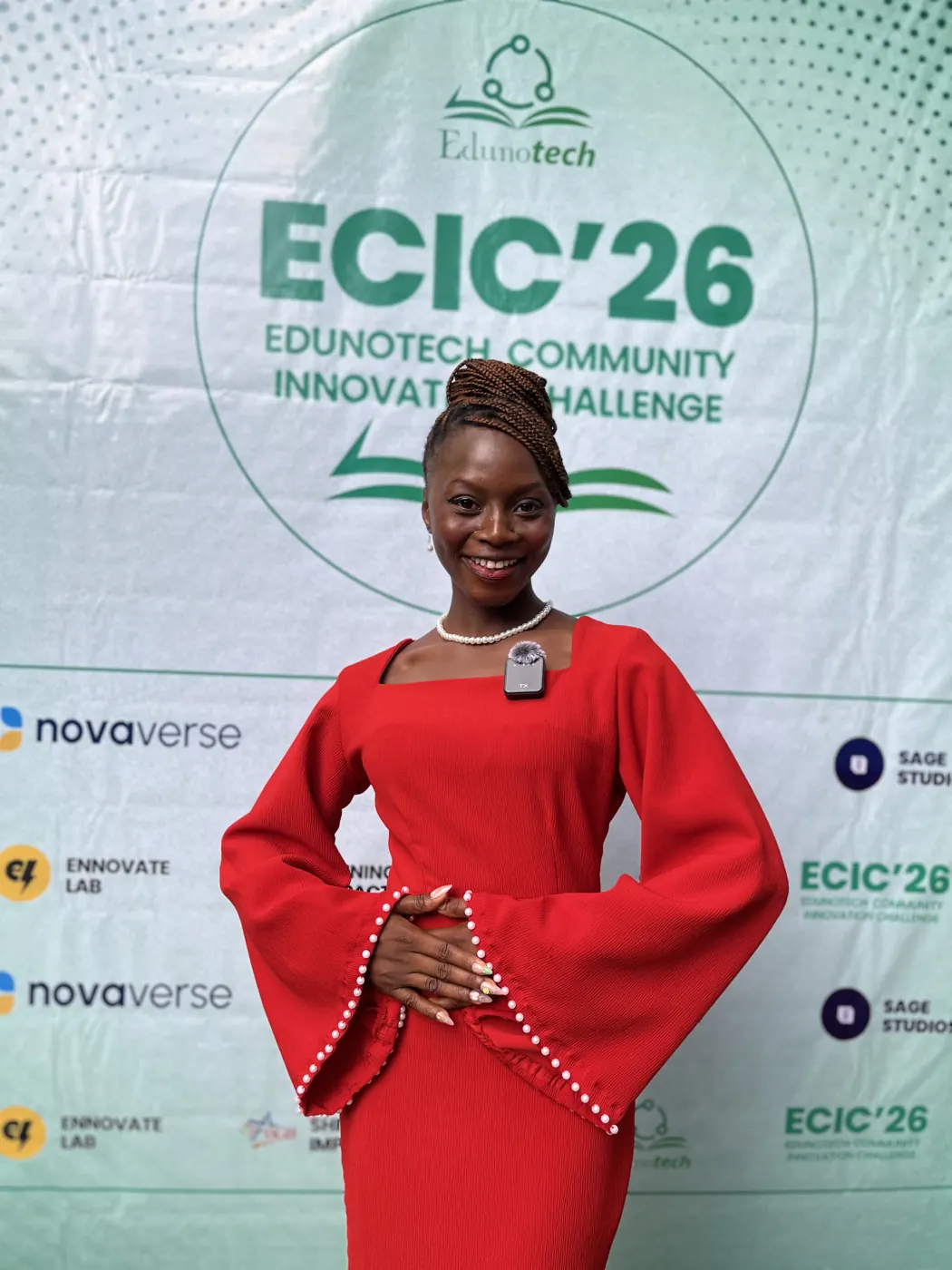
The 2026 edition of the Edunotech Community Innovation Challenge brought together students through a journey centred on problem identification, idea development, and practical innovation.
The programme culminated in its Grand Finale on 26 September 2026.
Beyond the final presentations, the intention is to continue supporting the innovators as they develop their ideas, learn from mentors, and explore opportunities for growth.
Grand Finale held on

Joshua Garba



ECIC 2026
Priscilla Akinleye
Creative Strategist and Event Planner, ECIC 2026
She was responsible for translating the event's vision and objectives into a structured, actionable plan, providing strategic input while coordinating the various elements required for successful delivery.
Her responsibilities spanned event conceptualisation, programme structuring, logistics and resource coordination, timeline development, team alignment, and execution oversight.
She helped bring the event's vision to life, ensuring that its different components worked together to deliver a cohesive and meaningful experience.
ECIC 2027
We are looking ahead to the next edition of the Edunotech Community Innovation Challenge.
ECIC 2027 will build on the foundation of the previous edition, with a continued commitment to encouraging young people to identify problems, think creatively, and develop practical solutions.
We also believe the ECIC community should grow beyond the students who participate as innovators.
Previous innovators, volunteers, mentors, educators, organisations, and other interested individuals can contribute to the planning and development of future editions.
Dates, venue, eligibility rules and awards for ECIC 2027 will be announced here once confirmed.
Tell us how you would like to be involved. We will contact you as planning develops.
Partnership opportunities
ECIC creates opportunities for organisations and individuals to contribute to student development, innovation, and community problem-solving. We welcome conversations with organisations interested in supporting the initiative through:
We believe that building a generation of problem solvers requires shared commitment.